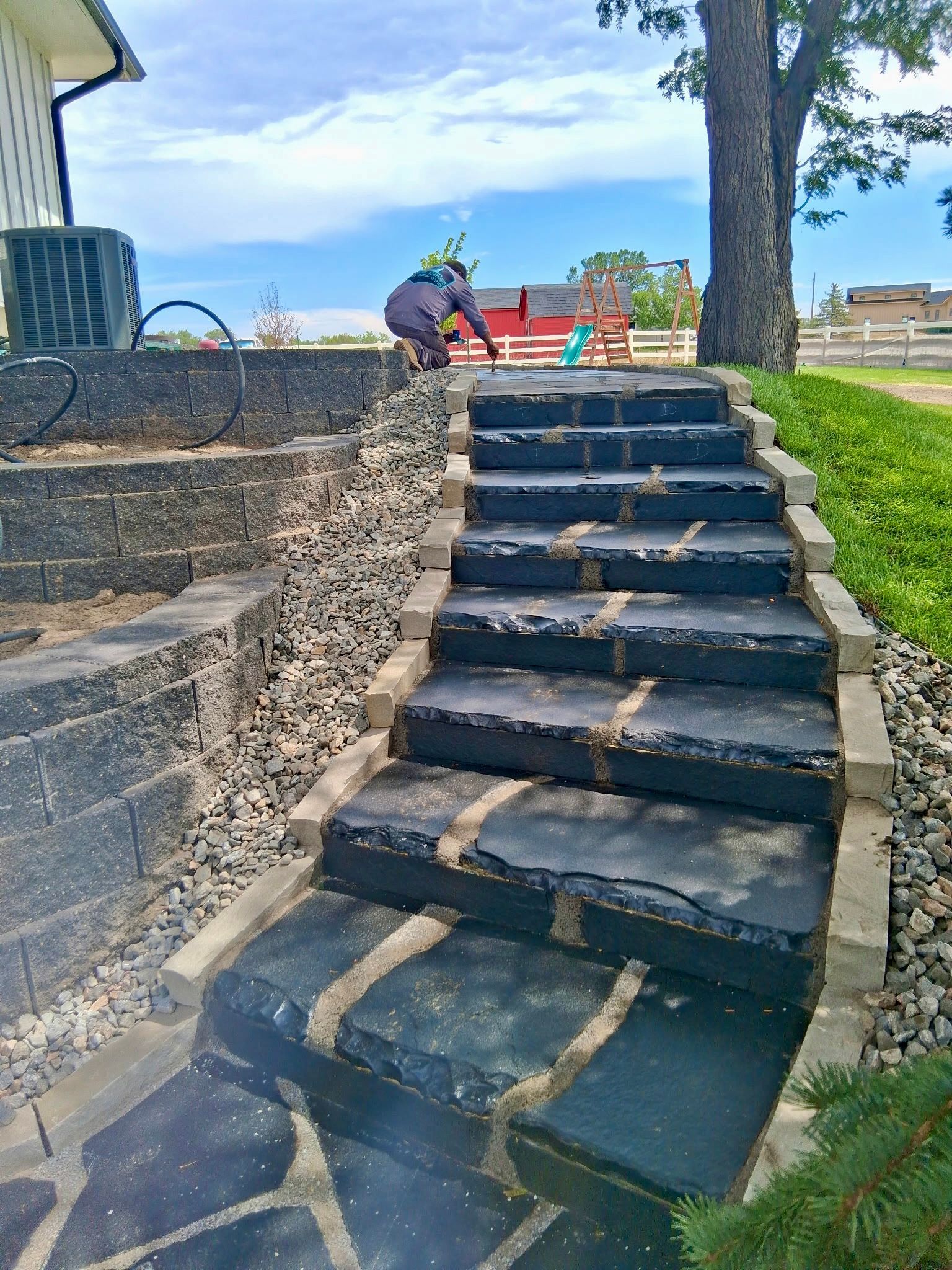
Outdoor Spaces Built for Low Water Use
Xeriscaping and patio installation in service tab for properties requiring drought-tolerant landscapes with functional outdoor living areas
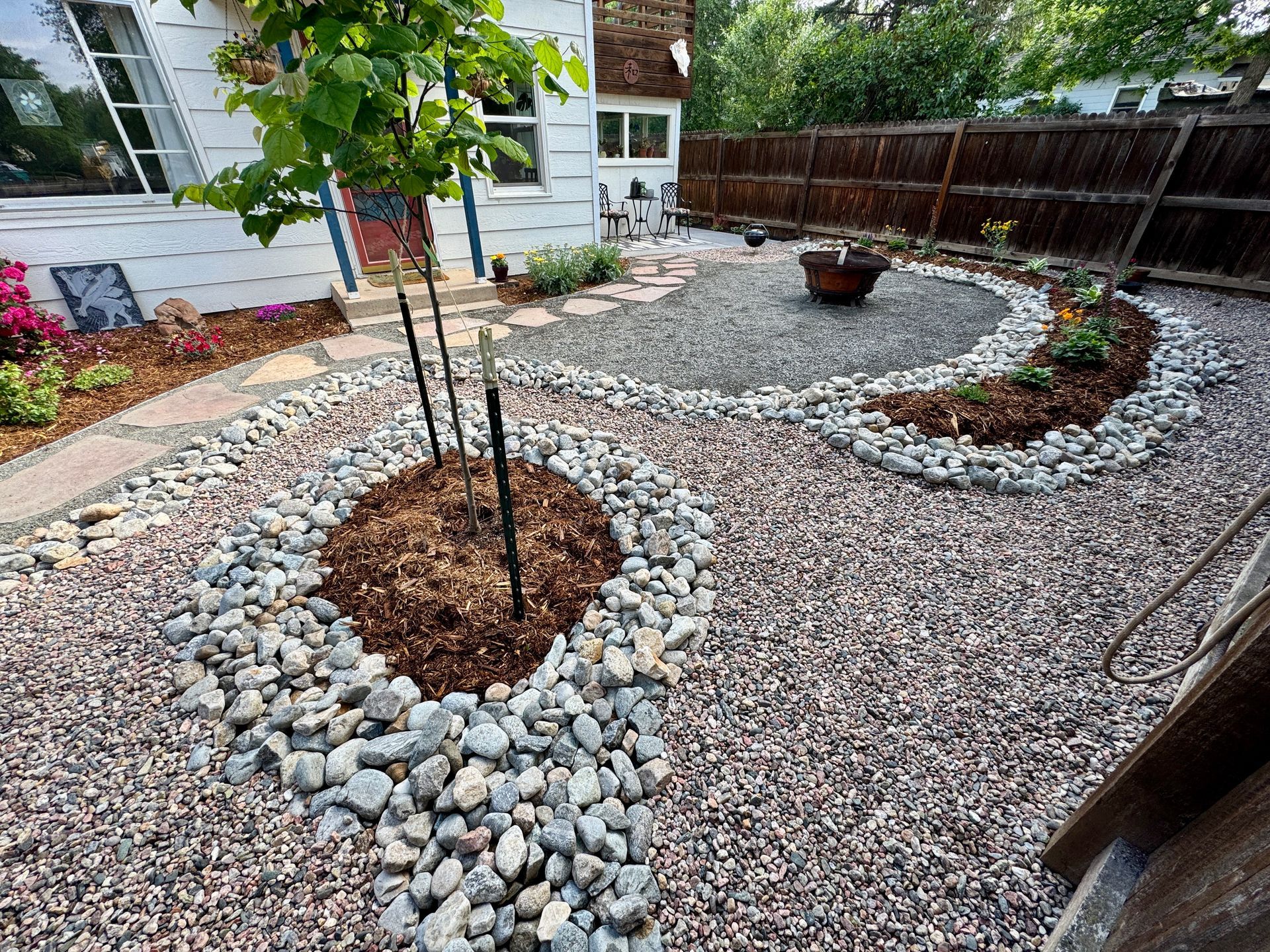
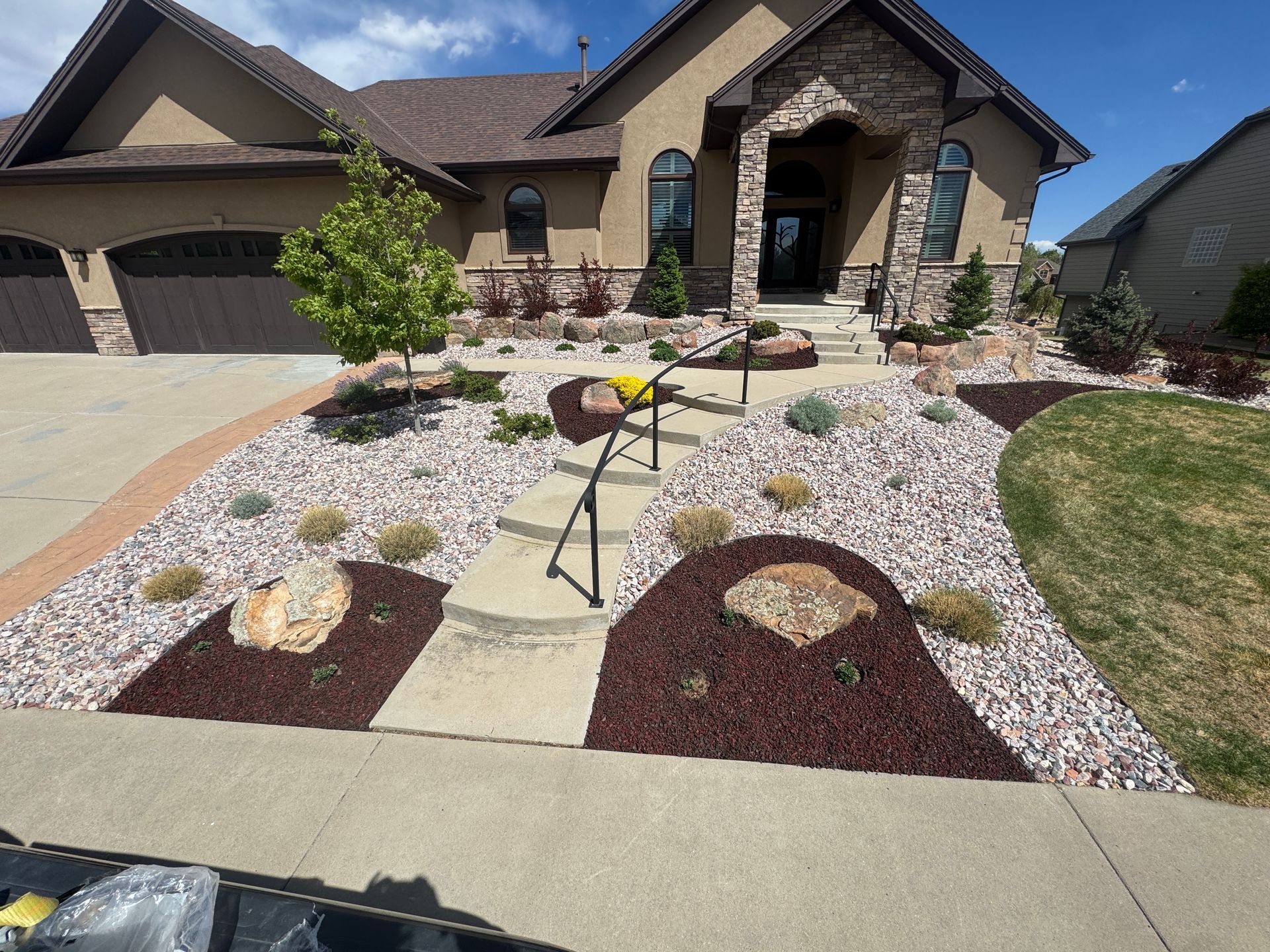
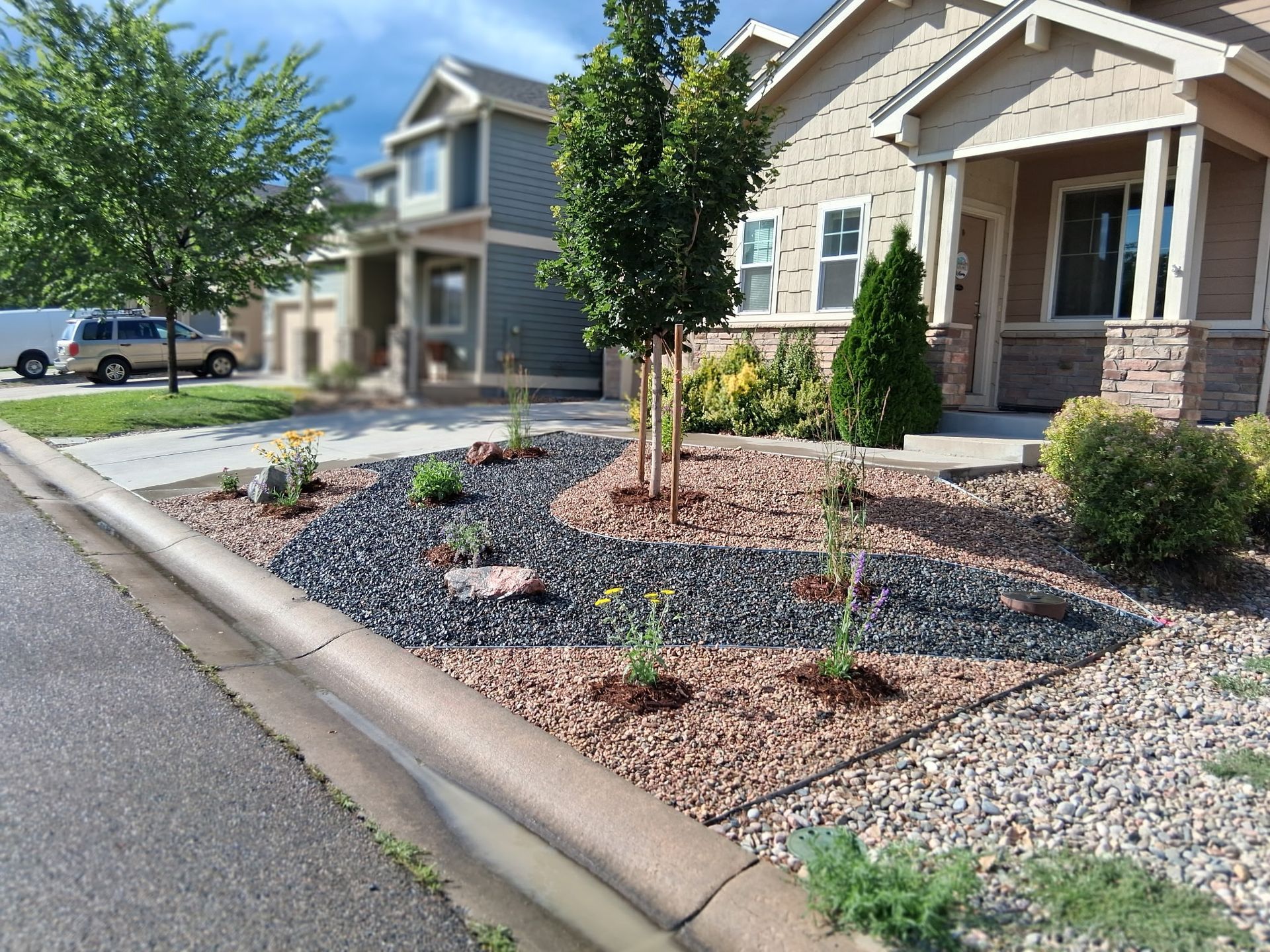
Of The Tower Landscape Services combines xeriscaping principles with paver and flagstone pathways to create outdoor spaces that reduce water consumption while adding usable square footage to your property. This approach addresses two common property challenges: maintaining landscape appearance during water restrictions and creating outdoor areas that handle foot traffic without constant upkeep. Properties across service tab benefit from this dual focus when irrigation costs become unsustainable or when bare soil areas need permanent solutions that complement water-efficient plantings.
Xeriscaping replaces high-water-demand turf and ornamentals with native and adaptive plants that survive on rainfall and occasional supplemental watering, while paver and flagstone installations create defined walkways, patios, and gathering spaces that require no water at all. The combination works particularly well when property owners want both lower utility bills and outdoor areas that remain clean and accessible year-round, even during dry periods when conventional lawns turn brown or muddy.
Schedule a property walkthrough to identify zones suitable for water-efficient plantings and hardscape features based on your current irrigation usage and outdoor living goals.
Greeley, CO
80634
- Mon - Fri
- -
- Sat - Sun
- Closed
How Drought-Tolerant Landscaping and Hardscaping Work Together
The process begins with soil evaluation and sunlight mapping to determine which areas receive enough natural moisture for xeric plants and which zones make sense for paved surfaces that eliminate planting beds entirely. Of The Tower Landscape Services removes existing turf or water-dependent plants, amends soil with organic matter to improve moisture retention in planting zones, and installs permeable base layers for paver or flagstone areas that allow rainwater to infiltrate rather than run off.
After installation, you notice immediate changes in how your property looks and functions: pathways remain dry and solid underfoot regardless of weather, plant beds maintain color and structure without daily watering, and outdoor spaces become usable within days rather than waiting for grass to establish or heal from traffic damage. Mulch or decorative rock around xeric plantings stays in place, roots establish faster in amended soil, and paver joints remain stable because the base is compacted and graded to prevent shifting.
The service includes layout design that connects entry points to outdoor living areas, plant selection based on mature size and water zone requirements, and edging that separates hardscape from planting beds to prevent material migration. Some projects incorporate both pavers for formal patios and flagstone for naturalistic pathways, depending on architectural style and how each area will be used throughout the year.

Answers to Frequent Service Questions
Property owners in service tab often ask about plant survival rates, material longevity, and how quickly water bills reflect the change.
What types of plants qualify as xeric or drought-tolerant?
Xeric plants include native grasses, succulents, and deep-rooted perennials that access groundwater once established, requiring watering only during extended dry spells rather than daily irrigation cycles.
How do pavers differ from flagstone for pathways and patios?
Pavers are manufactured units with uniform dimensions that create tight, level surfaces suitable for furniture and high traffic, while flagstone consists of irregular natural stone pieces that produce a more informal aesthetic and require skill to fit together with stable joints.
When is the best time to install xeriscaping and hardscape features in service tab?
Installation works best during cooler months when plant stress is lower and soil is easier to work, allowing root systems to establish before summer heat and giving adequate time for base materials to settle under paver installations.
What happens to existing irrigation systems when transitioning to xeriscaping?
Existing irrigation lines are capped or reconfigured to serve only the reduced planting zones that still require supplemental water, cutting overall water usage while maintaining targeted hydration for trees or accent plantings that anchor the design.
How long do paver and flagstone installations last compared to poured concrete?
Properly installed pavers and flagstone outlast concrete in many cases because individual units can shift slightly with soil movement without cracking, and damaged pieces can be replaced without demolishing entire sections, maintaining appearance for decades with minimal intervention.
Of The Tower Landscape Services designs xeric landscapes and hardscape features based on your property's topography, existing drainage patterns, and how you use outdoor spaces. Request a site assessment to evaluate water reduction potential and discuss material options that fit your landscape style and budget.
Contact Us
We will get back to you as soon as possible.
Please try again later.